
What this due-diligence check covers
An exception can be harmless, useful or project-changing. The effect depends on the exact recorded language, location and planned use.
Generic labels such as “easement,” “restrictions” or “mineral reservation” are not enough; retrieve the underlying instrument.
Why it matters before closing
A utility easement at the road edge may be manageable, while a conservation restriction through the only building area may destroy the plan. The same category can have very different consequences.
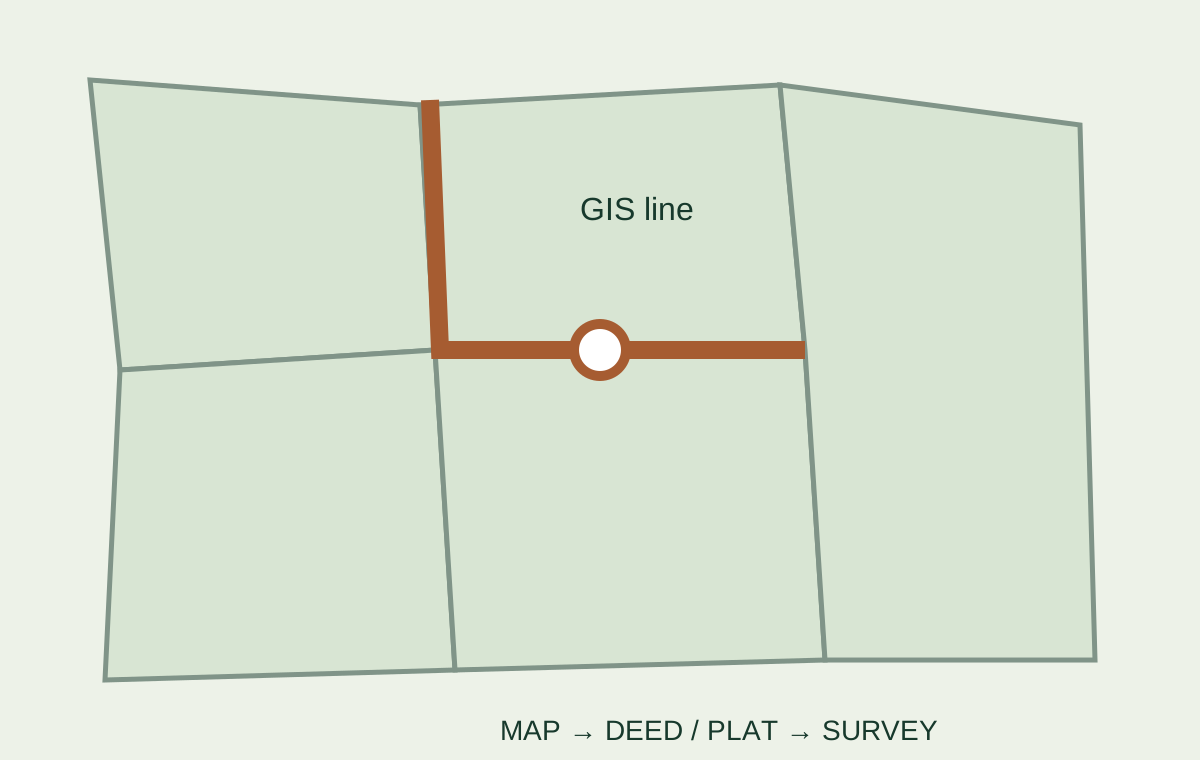
Three levels of evidence
First question to resolve
Map each exception against the parcel and proposed improvements.
Proof to keep
Preserve recorded exception documents and connect it to the exact parcel, proposed use and source date.
Escalation trigger
Exceptions with illegible or missing attachments. Ask: Which exceptions are plottable on a survey?
What to verify
- Map each exception against the parcel and proposed improvements.
- Check duration, beneficiaries, permitted activities and amendment rights.
- Look for blanket survey and possession exceptions.
- Confirm whether old documents were released, expired or carried forward.
Red flags that deserve follow-up
- Exceptions with illegible or missing attachments.
- Rights granted to unknown parties over broad areas.
- Restrictions that prohibit the intended structure or business.
- Mineral rights with surface-use privileges.
Evidence to keep in the parcel file
- Recorded exception documents
- Survey showing plottable items
- Title objection correspondence
- Written explanation of non-plottable exceptions