
What this due-diligence check covers
Identify the proposed insured, policy amount, legal description and estate being insured.
Read the requirements that must be satisfied before the policy can be issued, then read every exception that will remain outside coverage.
Why it matters before closing
Title exceptions can reveal easements, restrictions, mineral reservations, access limits and documents that directly affect the planned use. A clean-looking parcel map does not answer those issues.
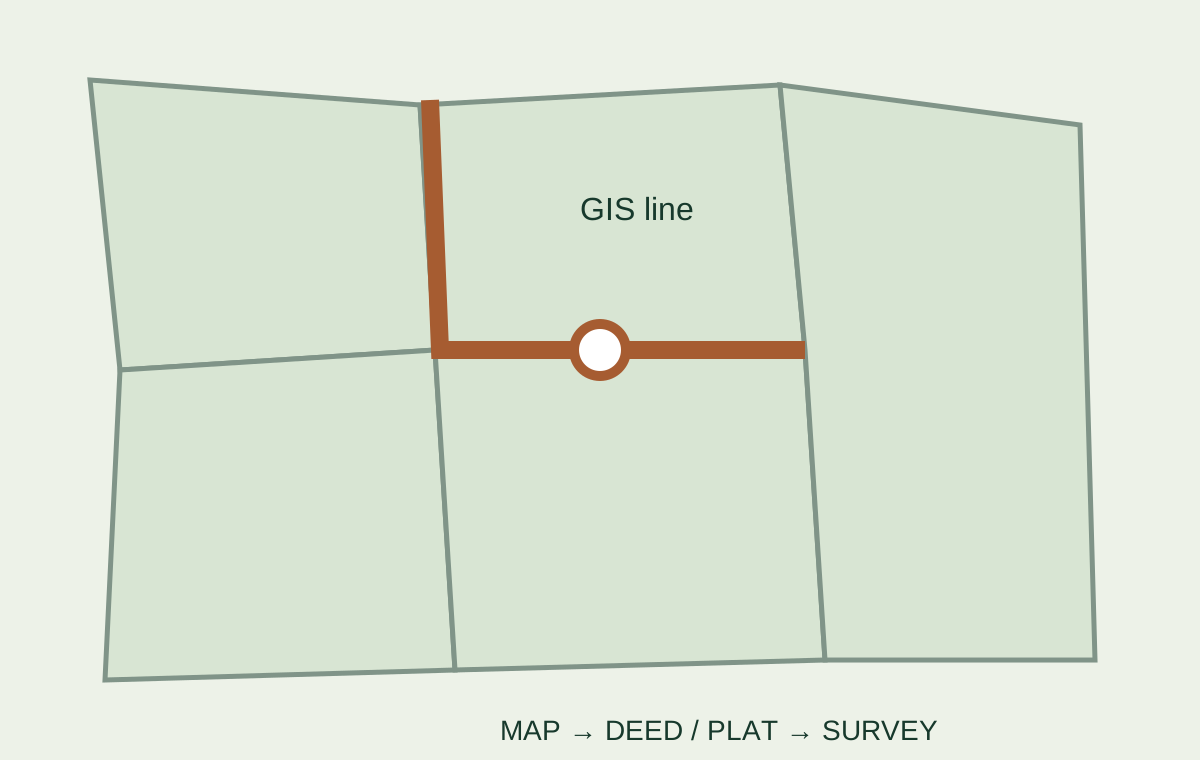
Three levels of evidence
First question to resolve
Match the legal description to the contract and survey.
Proof to keep
Preserve current title commitment and all schedules and connect it to the exact parcel, proposed use and source date.
Escalation trigger
A blanket exception for matters a survey would disclose. Ask: Can you send every document listed as an exception?
What to verify
- Match the legal description to the contract and survey.
- Obtain copies of every recorded exception, not only the exception list.
- Ask which requirements remain open and who must satisfy them.
- Confirm whether access, survey matters and mineral rights are covered or excepted.
Red flags that deserve follow-up
- A blanket exception for matters a survey would disclose.
- An access easement that does not reach a public road.
- Restrictions referenced without a readable recorded document.
- Unreleased liens or probate requirements close to the deadline.
Evidence to keep in the parcel file
- Current title commitment and all schedules
- Copies of recorded exceptions
- Survey or plat tied to the legal description
- Written title-company responses to objections