
What this due-diligence check covers
Some easements benefit the parcel; others burden it. A single parcel may both receive access over neighboring land and carry utility or drainage rights for others.
Read the recorded instrument, not only the label in a title commitment or plat.
Why it matters before closing
Easements can reduce the usable building envelope, limit grading, create maintenance duties or protect the access and utility rights that make development possible.
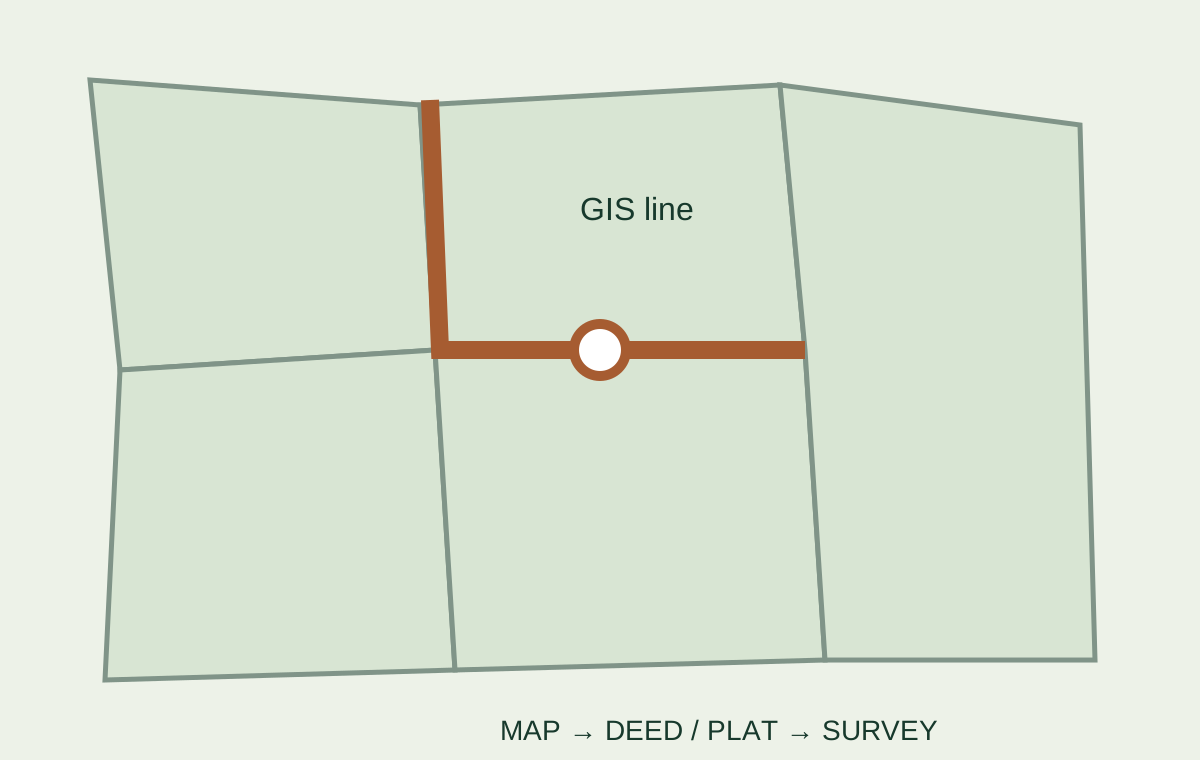
Three levels of evidence
First question to resolve
Identify the dominant and servient parcels.
Proof to keep
Preserve recorded easement instrument and connect it to the exact parcel, proposed use and source date.
Escalation trigger
Blanket easements with no mapped corridor. Ask: What activities are allowed inside the easement?
What to verify
- Identify the dominant and servient parcels.
- Plot the easement on a current survey.
- Read use, width, relocation, maintenance and termination clauses.
- Compare it with the home, driveway, septic, well and utility plan.
Red flags that deserve follow-up
- Blanket easements with no mapped corridor.
- Exclusive rights granted to another party.
- No relocation right where the corridor crosses the only building area.
- Conflicting maintenance provisions across documents.
Evidence to keep in the parcel file
- Recorded easement instrument
- Survey or exhibit
- Maintenance agreement
- Written interpretation from qualified professionals