
What this due-diligence check covers
A tiny home may be a site-built dwelling, modular unit, manufactured home or recreational vehicle. Each category can trigger different zoning, code, foundation and occupancy rules.
Confirm the exact design and whether it will be a permanent residence.
Why it matters before closing
A parcel marketed as unrestricted may still have minimum dwelling size, wastewater, road, building-code or RV occupancy limits.
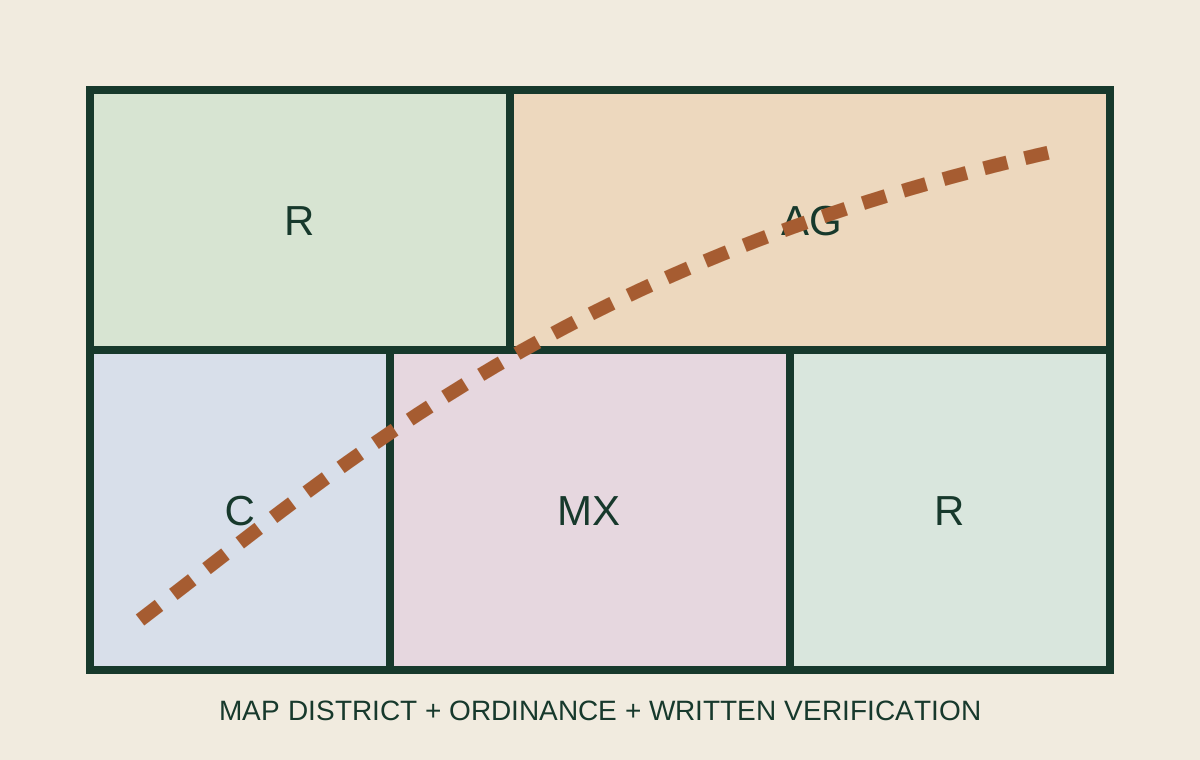
Three levels of evidence
First question to resolve
Classify the proposed unit under local rules.
Proof to keep
Preserve unit plans and certification and connect it to the exact parcel, proposed use and source date.
Escalation trigger
Using an RV as a residence where prohibited. Ask: How is this unit classified?
What to verify
- Classify the proposed unit under local rules.
- Check minimum floor area and permanent-foundation requirements.
- Verify full-time occupancy and RV rules.
- Plan water, wastewater, electric and emergency access.
Red flags that deserve follow-up
- Using an RV as a residence where prohibited.
- Assuming wheels avoid building or zoning rules.
- No approved wastewater method.
- Private minimum-size covenant.
Evidence to keep in the parcel file
- Unit plans and certification
- Written zoning interpretation
- Building-code pathway
- Site utility plan