
What this due-diligence check covers
Define what off-grid means for the project: no electric connection, private water, independent wastewater, remote access or all of them.
Every system needs capacity, maintenance, replacement and legal approval.
Why it matters before closing
Remoteness can multiply construction, fuel, insurance, emergency and maintenance cost while limiting financing and resale.
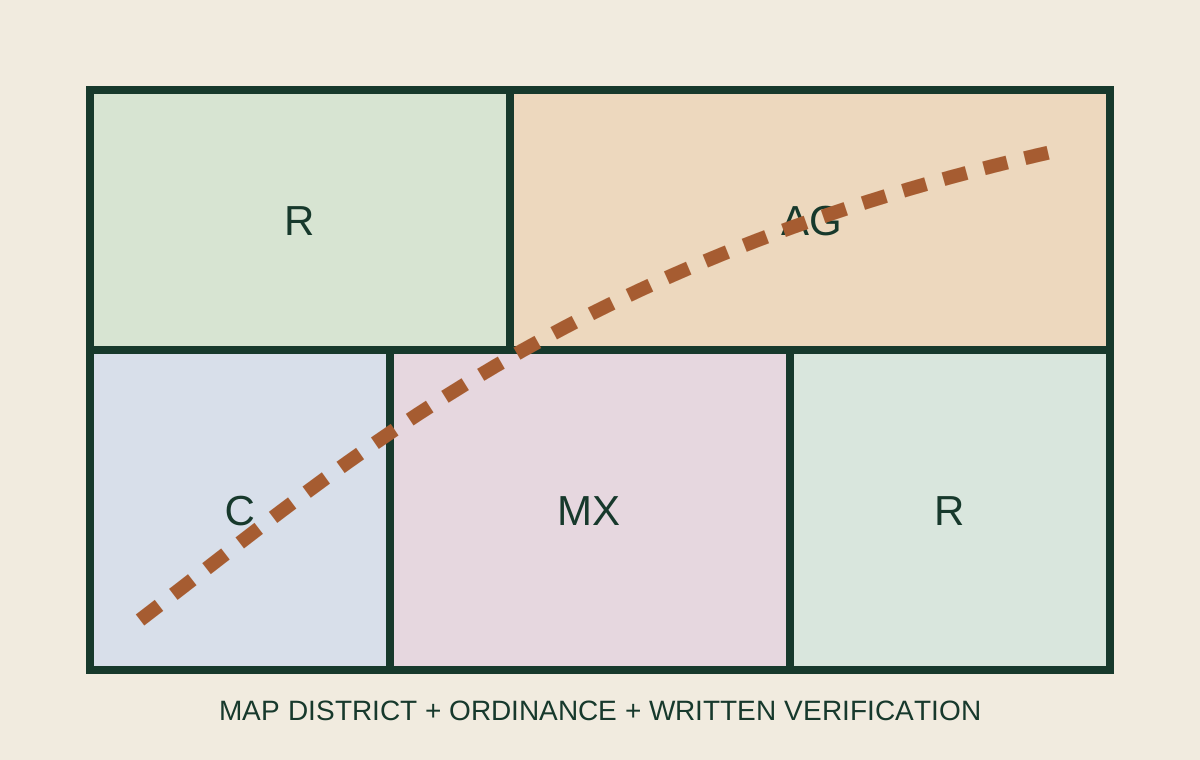
Three levels of evidence
First question to resolve
Confirm dwelling and occupancy rules.
Proof to keep
Preserve written land-use confirmation and connect it to the exact parcel, proposed use and source date.
Escalation trigger
Hauling water assumed without checking legality or capacity. Ask: Can I legally occupy the structure year-round?
What to verify
- Confirm dwelling and occupancy rules.
- Verify a legal water source and storage plan.
- Obtain wastewater approval.
- Model solar, backup generation, heating and access needs.
Red flags that deserve follow-up
- Hauling water assumed without checking legality or capacity.
- No all-weather emergency route.
- Solar estimate ignores winter load or well pumping.
- Composting system proposed without greywater approval.
Evidence to keep in the parcel file
- Written land-use confirmation
- Water and wastewater plan
- Energy load and system design
- Access and emergency plan