
What this due-diligence check covers
Separate the economic terms from the legal structure. A note may be secured by a deed of trust or mortgage, or the seller may retain title under a contract arrangement.
State law and consumer rules can affect documentation and remedies.
Why it matters before closing
Low monthly payments can conceal a large balloon, high total interest, unclear title or severe default consequences.
Three levels of evidence
First question to resolve
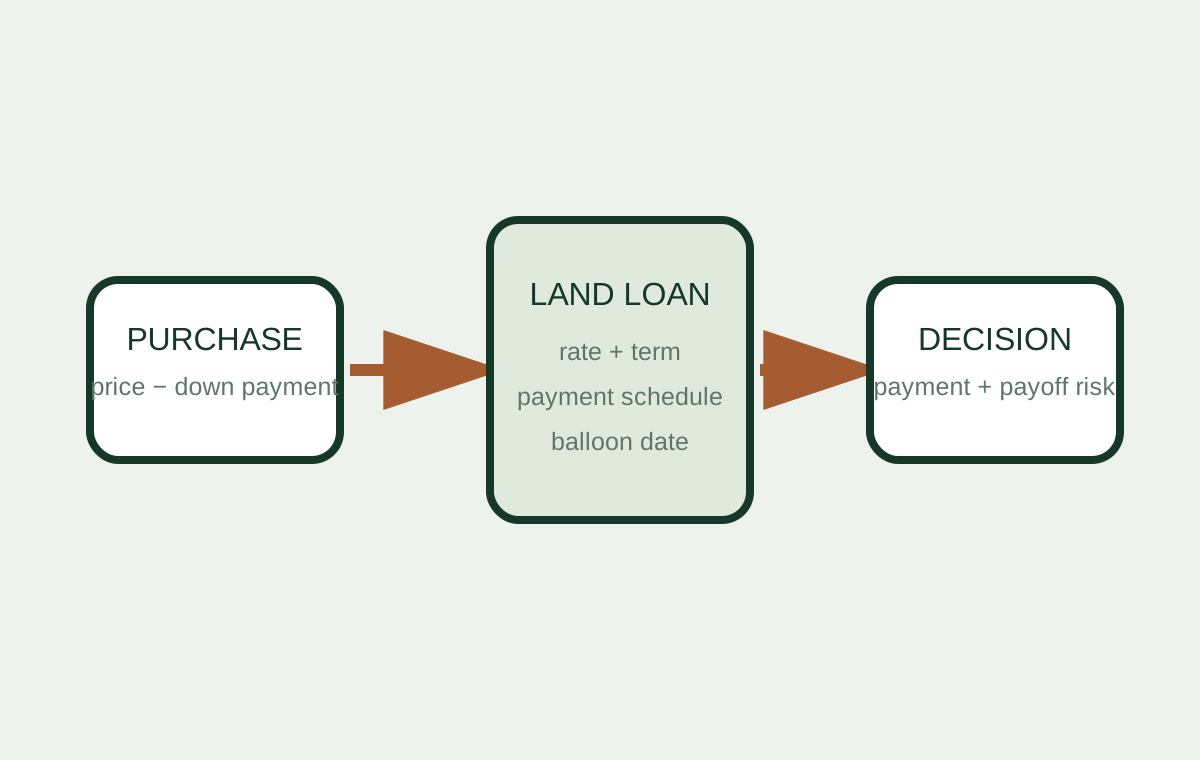
Calculate payment, total interest and balloon.
Proof to keep
Preserve amortization schedule and connect it to the exact parcel, proposed use and source date.
Escalation trigger
Unrecorded agreement. Ask: Who holds legal title?
What to verify
- Calculate payment, total interest and balloon.
- Verify the seller can convey and encumber title.
- Clarify taxes, insurance and recording.
- Use qualified legal and settlement professionals.
Red flags that deserve follow-up
- Unrecorded agreement.
- Seller has an existing loan that prohibits transfer.
- Balloon due before realistic refinance.
- Forfeiture language after small default.
Evidence to keep in the parcel file
- Amortization schedule
- Note and security instrument
- Title commitment
- Proof of recording and payment process