
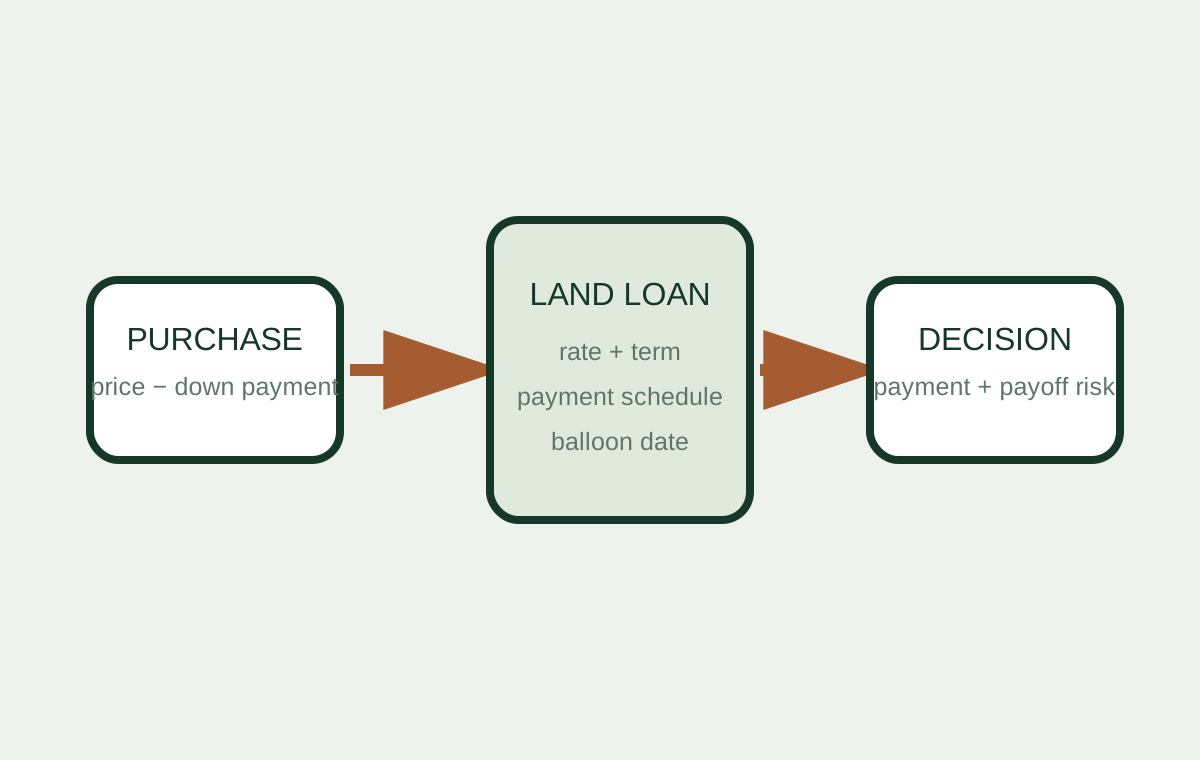
What this due-diligence check covers
The label varies by state: contract for deed, installment land contract or agreement for deed. The rights and remedies can differ from a conventional mortgage.
Review the actual document and local law, not a generic online form.
Why it matters before closing
A buyer may invest in improvements while lacking recorded title or facing forfeiture after default.
Three levels of evidence
First question to resolve
Verify seller title and existing debt.
Proof to keep
Preserve executed and recorded agreement and connect it to the exact parcel, proposed use and source date.
Escalation trigger
Seller can encumber or resell before deed transfer. Ask: When does the deed transfer?
What to verify
- Verify seller title and existing debt.
- Calculate full amortization and balloon.
- Clarify deed delivery, recording, taxes and insurance.
- Review cure periods and default remedies.
Red flags that deserve follow-up
- Seller can encumber or resell before deed transfer.
- Buyer responsible for taxes but receives no notices.
- Forfeiture after substantial equity.
- No process for releasing seller liens at payoff.
Evidence to keep in the parcel file
- Executed and recorded agreement
- Title commitment
- Payment ledger and amortization
- Escrow or servicing arrangement