Financing and closing

Land Loan vs. Construction Loan

The financing path should match how soon you will build, the site’s readiness and the lender’s collateral and draw requirements.

Direct answer

A land loan finances the parcel, while a construction loan generally finances an approved building project through draws; the better structure depends on build timing, approvals, equity and refinance risk.

This is a US-wide research framework. The controlling rule, record, professional standard and approval process can change by state, county, city and project.

What this due-diligence check covers

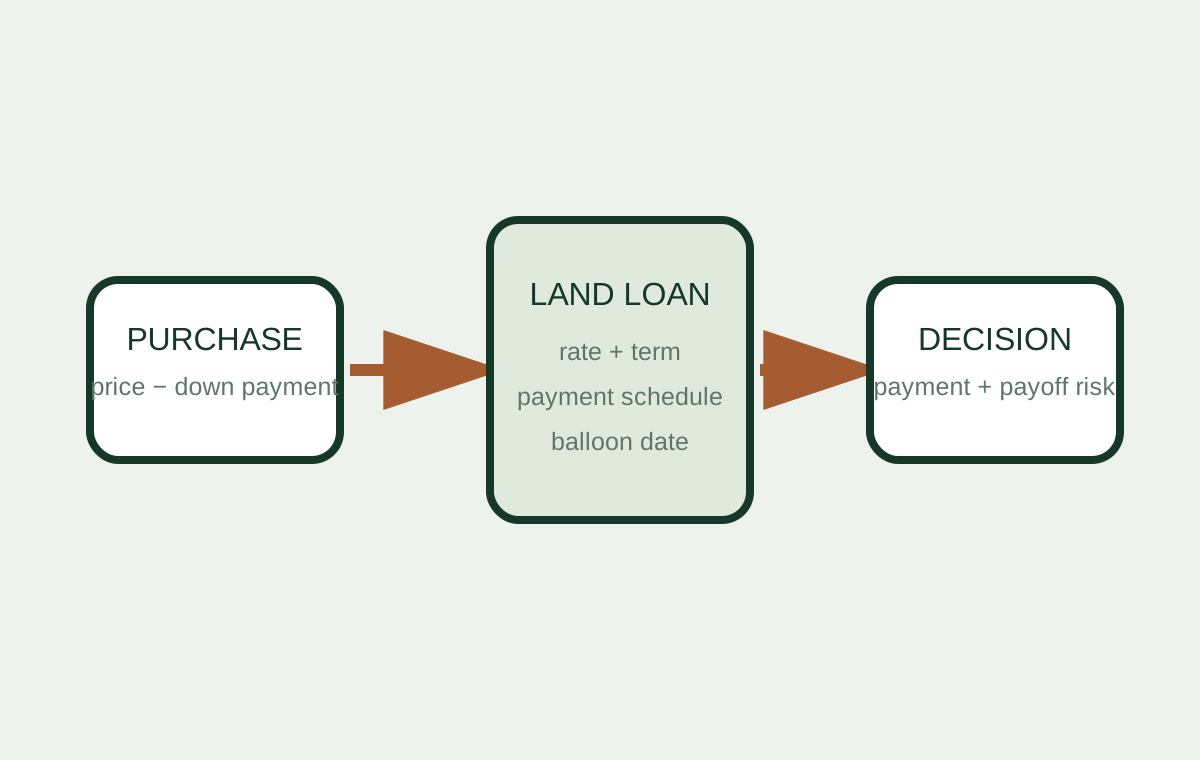
Land loans may carry larger down payments, shorter terms or higher rates. Construction loans evaluate plans, builder, budget, permits and completed value.

Some buyers use a land loan first and refinance later, while others combine land acquisition and construction.

Why it matters before closing

Financing affects the maximum land price, due-diligence requirements, appraisal, closing schedule and cash reserve.

Three levels of evidence

Evidence level

Holding-period risk

A land loan can create interest and balloon exposure while plans, utilities and permits remain unresolved.

Evidence level

Draw risk

Construction lending typically requires plans, budget, appraisal, builder review, inspections and staged disbursements.

Evidence level

Conversion plan

Document how the land debt will be refinanced, subordinated, paid off or rolled into construction financing.

What to verify

  • Speak with lenders before making offers.
  • Ask how raw, improved and build-ready land are classified.
  • Understand appraisal and equity treatment.
  • Model interest, draws, conversion and contingency reserves.

Red flags that deserve follow-up

  • Loan approval assumes utilities or access not verified.
  • Balloon due before construction financing is ready.
  • Land equity valued below purchase price.
  • Construction budget excludes site work.

Evidence to keep in the parcel file

  • Written lender scenario
  • Loan estimate or term sheet
  • Complete project budget
  • Appraisal and draw assumptions

Evidence matrix

Turn every conclusion into a record and verifier.

Decision questionEvidence to collectWho or what verifies it
Speak with lenders before making offers.Written lender scenarioHow much down payment is required
Ask how raw, improved and build-ready land are classified.Loan estimate or term sheetCan land equity count toward construction
Understand appraisal and equity treatment.Complete project budgetWhat site conditions must be complete
Model interest, draws, conversion and contingency reserves.Appraisal and draw assumptionsHow are draws and interest handled

Questions to ask before the deadline

  1. How much down payment is required?
  2. Can land equity count toward construction?
  3. What site conditions must be complete?
  4. How are draws and interest handled?
  5. What happens if permits are delayed?

What this evidence does not prove

Public records and online tools can identify risk, but they do not replace the controlling document, written agency decision, title review, survey, engineering or environmental work required for the actual parcel and project.

Put the guide to work

Turn the guide into a parcel-specific due-diligence list.

Frequently asked

Questions land buyers ask

Is a land loan the same as a mortgage?

No. Land loans are often underwritten differently because there is no completed home collateral.

Can I finance site work in a construction loan?

Often yes if approved in plans and budget, but lender policy and appraisal support control.

Should I close on land before plans are final?

That can create risk; align acquisition, feasibility, design and financing milestones.