
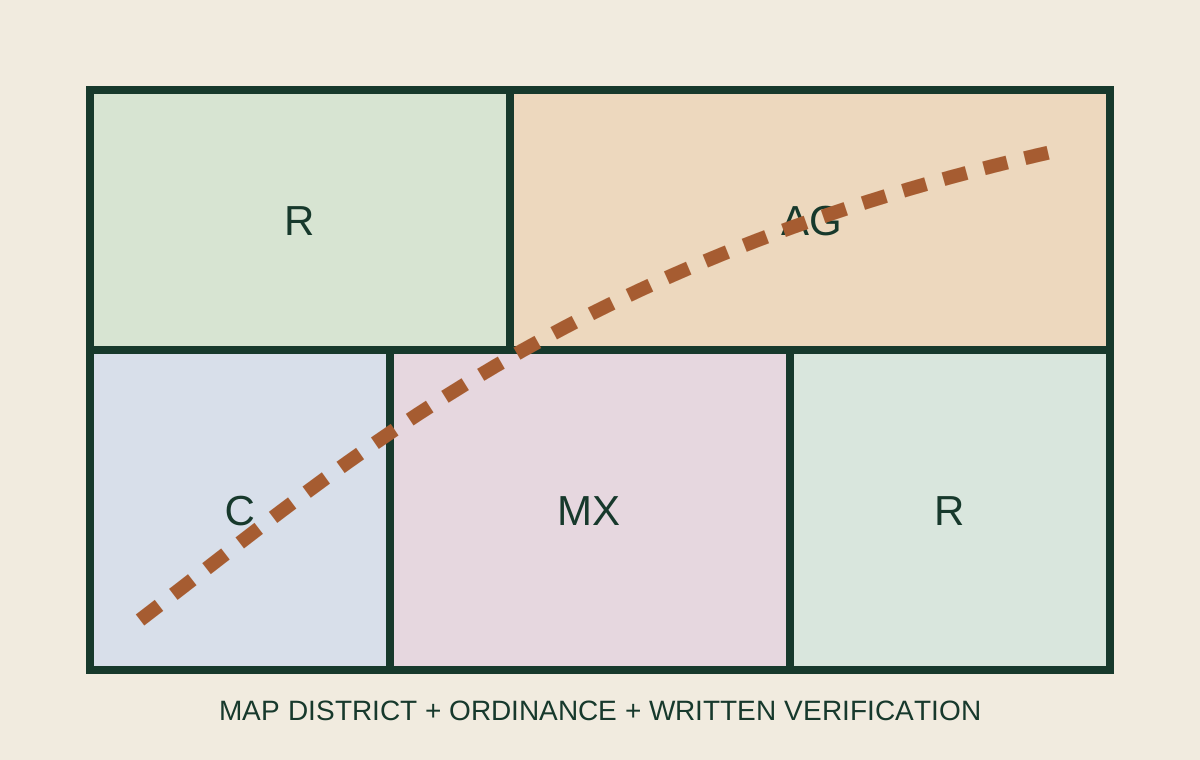
What this due-diligence check covers
A variance usually addresses dimensional hardship, not a change to a prohibited use. A conditional or special use may allow a listed use after findings and conditions. Rezoning changes the district.
Terminology and standards vary by jurisdiction.
Why it matters before closing
Discretionary approval can delay closing, financing and design, and neighbors or agencies may participate. A seller’s confidence is not an approval.
Three levels of evidence
First question to resolve
Identify the exact approval type.
Proof to keep
Preserve application checklist and findings and connect it to the exact parcel, proposed use and source date.
Escalation trigger
Use variance proposed for a prohibited use. Ask: Is the use permitted by right?
What to verify
- Identify the exact approval type.
- Read the required findings and application record.
- Attend a pre-application meeting.
- Make the contract contingent on an acceptable approval when appropriate.
Red flags that deserve follow-up
- Use variance proposed for a prohibited use.
- Prior denial or expired approval.
- Approval depends on offsite road or utility work.
- Public-hearing schedule extends beyond the contingency period.
Evidence to keep in the parcel file
- Application checklist and findings
- Staff meeting notes
- Prior case history
- Contract contingency and deadline plan